Fall Fun for Little Learners: New Mexico Events Calendar

As temperatures start to cool, New Mexico is filling up with fun fall activities for children and families. From weekly story times to seasonal markets and mazes, here’s your calendar for events happening across the state this season.

DateEventLocation
Every MondayToddler TimeExplora, Albuquerque
Every WednesdayWee WednesdaysChildren’s Museum, Santa Fe
Every ThursdaySeeds & SproutsChildren’s Museum, Santa Fe
Saturdays through SeptemberMovies in the Park Las Cruces
September 10-20New Mexico State FairAlbuquerque
September 19 Ruidoso RunFest (Kids fun run)Ruidoso 
September 19-20White Sands Balloon InvitationalAlamogordo
September 19 through October 31McCall’s Farm | Pumpkin Patch & Corn MazeMoriarty
September 23-27Grant County FairCliff, NM
September 24-27Otero County Fair and RodeoAlamogordo
September 24 through October 23Mesilla Valley MazeLas Cruces
September 25-26Pinto Bean FiestaMoriarty
September 25-26Cavern City Renaissance FestivalCarlsbad
September 25-26Four Corners Balloon RallyFarmington
September 25-27Aspencade Arts FestivalRed River
September 26-27Corrales Harvest Festival Corrales
September 26New Mexico Children’s Book FairAlbuquerque
Saturdays through October Farmington Growers’ Market Farmington
September 26-27 and October 1-31Galloping Goat Pumpkin Patch Rio Rancho
Saturdays through SeptemberDowntown Makers’ MarketFarmington
September 10 through October 22Levitt AMP Truth or Consequences Music Series (free and family-friendly) Truth or Consequences
September 30 through October 4Southern New Mexico State & Doña Ana County FairLas Cruces
September through November Big Jim Farms Albuquerque
October 3Aztec Highland Games & Celtic FestivalAztec
October 3BARK in the Park Hikes at Abo!Abó
October 3-4Nichols Ranch Apple FestivalLa Luz
October 3-4Santa Fe Harvest Festival | El Rancho de Las GolondrinasSanta Fe 
October 3-4Harvest Festival Albuquerque
October 5-10Eastern New Mexico State FairRoswell
October 6-11Sierra County FairTruth or Consequences
October 9Dark Skies, Bright Stars!Abó
October 10Re-Earthing Futures Family FestivalTaos
October 24–25Nichols Ranch Pumpkin PatchLa Luz
October 31Boo-PaloozaFarmington
October 31Trunk or Treat Roswell
April through November Downtown Growers’ MarketAlbuquerque 

September is National Student Parent Month / Septiembre es el mes nacional de padres y madres estudiantes

Answers: 1. Parents 2. Childcare 3. Campus 4. Housing 5. Generation

  1. Student _ _ _ _ _ _ _ (7): balancing coursework, kids, and household costs
  2. On-campus _ _ _ _ _ _ _ _ _ (9): care provided right where students take classes
  3. Family-friendly _ _ _ _ _ _ (6) spaces: where support meets school
  4. Food and _ _ _ _ _ _ _ _ (8) resources: essential support for the family’s home
  5. Two- _ _ _ _ _ _ _ _ _ _ (10)  approach: supporting both parent and child together

Respuestas: Estudiantes, En el campus, Amigables, Vivienda, Multigeneracional 

  1. Padres y madres _ _ _ _ _ _ _ _ _ _ _ (11): equilibrando las clases, los hijos y los gastos del hogar
  2. Cuidado infantil _ _  _ _  _ _ _ _ _ _ (10): cuidado disponible justo donde los estudiantes toman sus clases
  3. Espacios _ _ _ _ _ _ _ _ (8) para familias: donde el apoyo se encuentra con la escuela
  4. Recursos de alimentación y _ _ _ _ _ _ _ _ (8): mantener un techo sobre la cabeza
  5. Enfoque _ _ _ _ _ _ _ _ _ _ _ _ _ _ _ _ _ (17): apoyando tanto a los padres como a los hijos

Supporting Student Parents in New Mexico 

Parenting students juggle coursework, child care, and household costs all at once. Campus-based support is often the difference between finishing a degree and dropping out. The New Mexico Student Parent Alliance (NMSPA) supports both the parent and the child because when a parent succeeds in college, the whole family moves forward.

NMSPA began as a pilot at Santa Fe Community College and has now launched statewide, with representation from every higher education institution in New Mexico. NMSPA uses a two-generation approach, connecting parenting students to on-campus child care, family-friendly campus spaces, and food and housing resources.

Located within the Early Childhood Center of Excellence (ECCOE) at Santa Fe Community College, NMSPA is a network of student parents, educators, and advocates committed to promoting the success and well-being of student parents and their families.

Learn more about the New Mexico Student Parent Alliance.

Apoyando a padres y madres estudiantes en Nuevo México

Los estudiantes que también son padres o madres equilibran al mismo tiempo las clases, el cuidado de sus hijos y los gastos del hogar. El apoyo en el campus muchas veces marca la diferencia entre terminar una carrera y abandonarla. La Alianza de Padres y Madres Estudiantes de Nuevo México (NMSPA, por sus siglas en inglés) apoya tanto al padre o a la madre como al hijo, porque cuando un padre o una madre tiene éxito en la universidad, toda la familia avanza.

NMSPA comenzó como un proyecto piloto en Santa Fe Community College y ahora se ha expandido a nivel estatal, con la representación de todas las instituciones de educación superior de Nuevo México. NMSPA utiliza un enfoque multigeneracional, conectando a los estudiantes que son padres o madres con cuidado infantil en el campus, espacios universitarios amigables para las familias, y recursos de alimentación y vivienda.

Ubicada dentro del Centro de Excelencia en la Primera Infancia (ECCOE, por sus siglas en inglés) en Santa Fe Community College, NMSPA es una red de padres y madres estudiantes, educadores y defensores comprometidos con promover el éxito y el bienestar de los estudiantes que son padres y madres, y sus familias.

Obtenga más información sobre la Alianza de Padres y Madres Estudiantes de Nuevo México.

Books, Degrees, and Work: Inside CNM’s Early Childhood Program

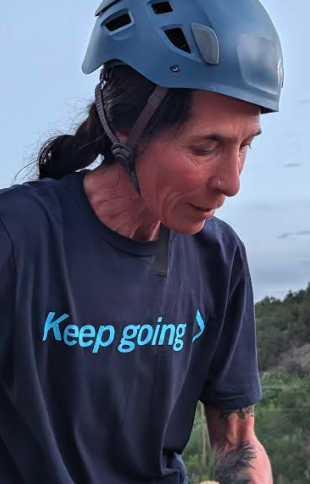
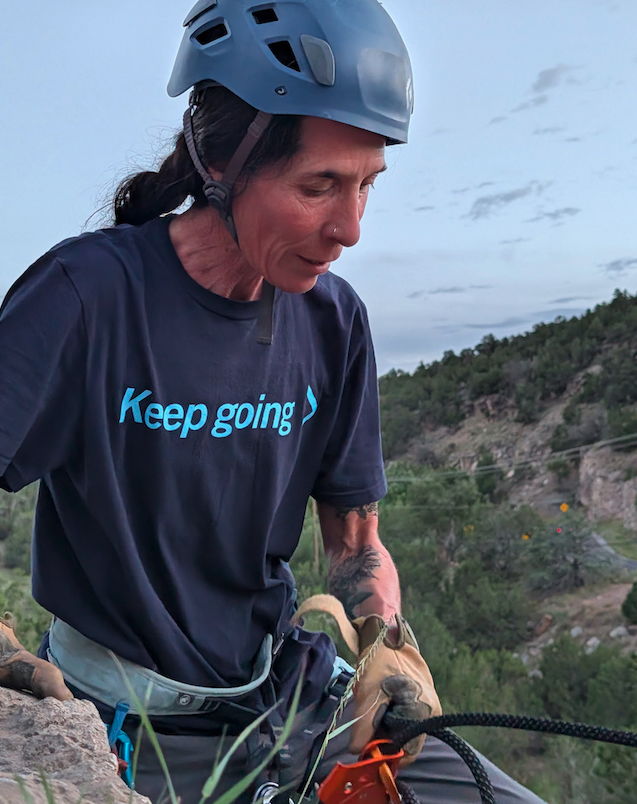
There’s a phrase Dr. Therese Baca-Radler keeps coming back to this year: “Keep going.” It’s the tagline behind Central New Mexico Community College’s (CNM) new marketing campaign, and it also carries her up tough climbs as a competitive mountain biker.

Her own story starts at 19, working at All Seasons Day School in Albuquerque’s International District with no clear sense of where the path would lead. The school invested in her before she’d earned anything: they gave her a hot lunch, a bike, and a reason to ride it to CNM.

Decades and a Ph.D. later, she sees CNM helping students bring their education and hands-on experience together:

“You don’t always put the books and the degrees with the work until later. And sometimes, once those things come together, you get this beautiful thing that’s early childhood education in the state of New Mexico.”

CNM’s Early Childhood Multicultural Education (ECME) program is built around people who are already doing the work, giving them a way to formalize it into a degree or certificate without stepping away from the kids and families relying on them.

Students can earn a Child Development Certificate or an associate degree, with a fully Spanish-language track that lets bilingual educators complete nearly all their coursework in Spanish. Specialized cohorts including a fast-track pre-K pipeline and partnerships with Albuquerque Public Schools and Los Alamos National Laboratory apply that same foundation to the needs of different communities. A three-phase field experience model moves students from an initial job shadow through capstone practicum hours, with their progress tracked in CNM’s “Field Experience Passport.”

Support runs alongside all of it: evening and online classes, Thursday-night Spanish-speaking tutoring, and CNM’s Wellness Center, which offers free counseling, a food pantry, and basic-needs support.

Dr. Baca-Radler describes the field less as a career ladder than as a network of mentors, classmates, and colleagues who hold each other accountable and don’t let anyone fall behind. Her advice to anyone considering the field or thinking about going back to school: “Do it. We are a community, and there are people who are going to help you all along the way. Keep going.”

New Mexico’s Professional Development Information System

Word Scramble Answers:

  1. LNEROL_____________
  2. LSDANECTIER _____________
  3. GNIAINTR_____________
  4. SEWAG_____________
  5. ISDP _____________
  1. ENROLL
  2. CREDENTIALS
  3. TRAINING
  4. WAGES
  5. Professional Development Information System (PDIS)

The Professional Development Information System (PDIS) is a free online platform that lets early childhood professionals track their education, credentials, required training, and wages in one place.

Who needs to enroll? Everyone working in Child Care, NM PreK, Home Visiting, and FIT programs, including directors, administrators, and staff members.

Create your profile here to link your background check and begin tracking your professional goals.

For support, email [email protected] or visit the FAQ page for more details.

A Different Kind of Strength

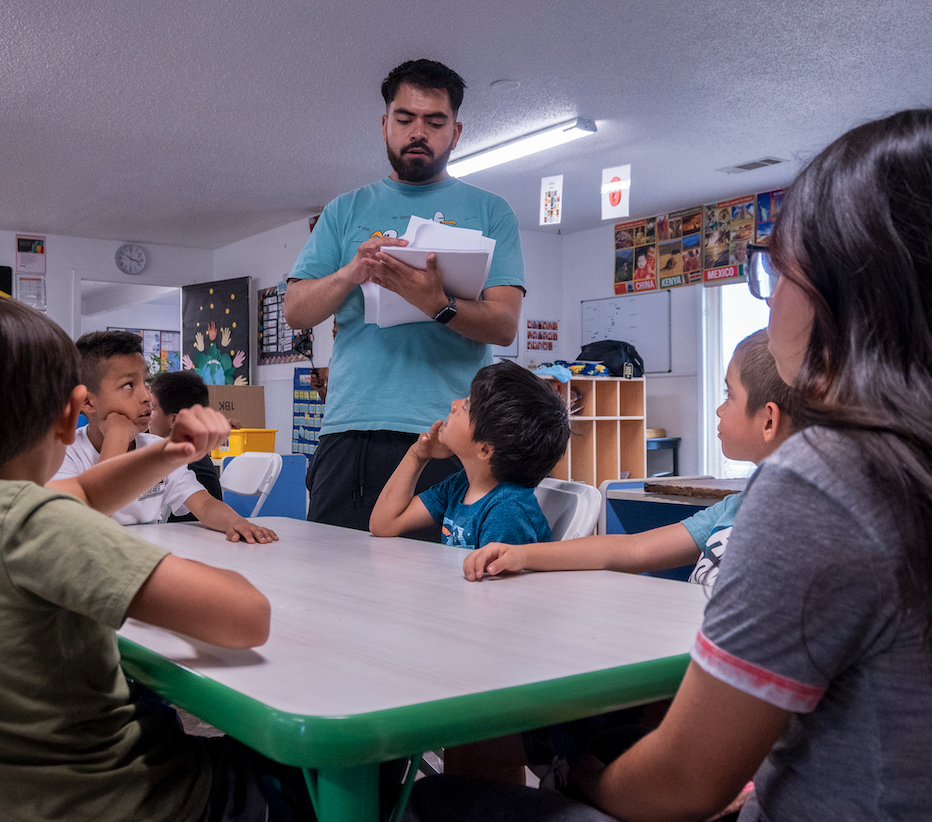
When Eugenio Nava began his path in early childhood education, he was often the only man in the room. Teaching in Spanish, where “maestra” is the default term for teacher, he initially felt like his identity didn’t quite fit the mold. But that discomfort didn’t last: within two weeks of working with children, he was hooked. “I fell in love with this career,” he says.

That commitment didn’t erase the challenges. At times, Eugenio sensed that some parents questioned whether a man could nurture and teach their children as well as a woman could. “I came to understand that, as a man and a teacher, I can see each child for who they are, understand what they need, and encourage them to learn,” Eugenio says. “That is my strength, and knowing that has helped me become more resilient.”

Eugenio, who now teaches in a mixed pre-K classroom at Kids Campus, a laboratory school at Santa Fe Community College, believes men have an important role in early childhood education. “I’m a man, but I’m sensitive. I’m a man, but I can support kids through their emotions,” he says. He sees himself not as an exception, but as part of a team whose members bring different strengths to the classroom. His bilingual teaching team includes one man and one woman. “We’re a complete team. We complement each other perfectly,” he says.

Raised in a culture that taught men not to show emotion, Eugenio now models something different for the children and families he works with: strength built on attentiveness and patience.

His advice to anyone considering the field, no matter who they are: “If you feel a connection with kids, you can do this. Don’t be afraid.”

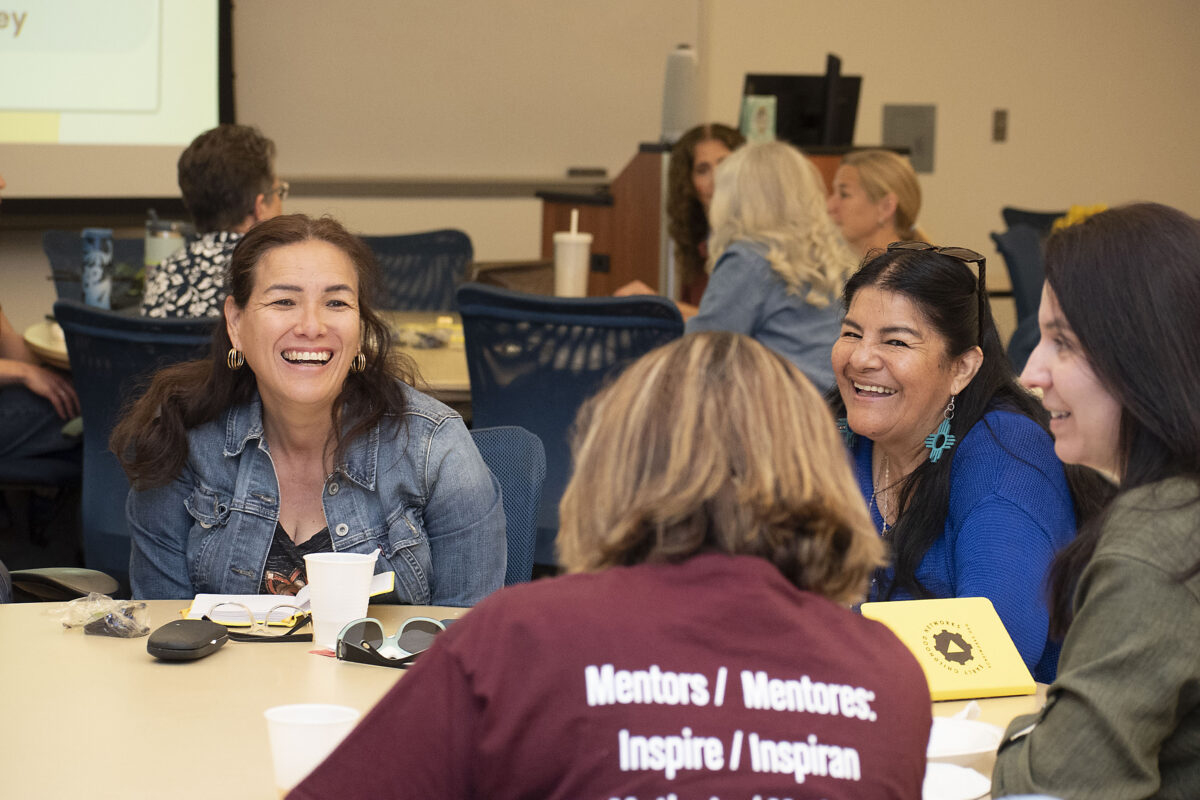
Mentor Network Adds More One-on-One Support

Great teaching is never static. Educators pay attention to what is working, make adjustments, and try new approaches to better support learning. The same is true of professional development.

This year, the Mentor Network is adding one-on-one meetings to provide mentors with more direct support. Mentors will meet individually with their cohort leads each month from September through November and again from February through April.

The meetings will give mentors space to ask questions, talk through challenges, and discuss how things are going with their mentees.

“We want mentors to feel comfortable opening up about what is happening, what they need, and how we can better support them,” said Yadira Lorenzoni, senior program manager. “The leads can then bring the common themes they hear into the professional learning community (PLC) meetings so everyone can learn from them.”

For example, if mentors are struggling with difficult conversations or similar classroom situations, cohort leads can bring resources and discussion questions to the larger group without sharing anyone’s personal experiences.

The one-on-one conversations will also help cohort leads plan PLC meetings around what mentors are experiencing in real time. The change is designed to strengthen relationships and make the support mentors receive more useful.

Interested in joining? Learn more about the Mentor Network here.

Early Childhood Networks: Supporting New Mexico’s Early Childhood Professionals

Early Childhood Networks is transforming how early educators grow, lead, and connect. Funded by the New Mexico Early Childhood Education and Care Department and administered by CNM Ingenuity, this statewide initiative provides mentorship, reflective practice, leadership development, and peer support to early childhood professionals.

Through dynamic learning experiences and strong professional networks, Early Childhood Networks helps educators deepen their skills, expand their impact, and stay connected to a community that shares their commitment to children and families. The result? A stronger, more supported early childhood workforce ready to meet the needs of New Mexico’s youngest learners. Learn more now!

Every Step Counts: A Partnership Supporting the Early Childhood Workforce

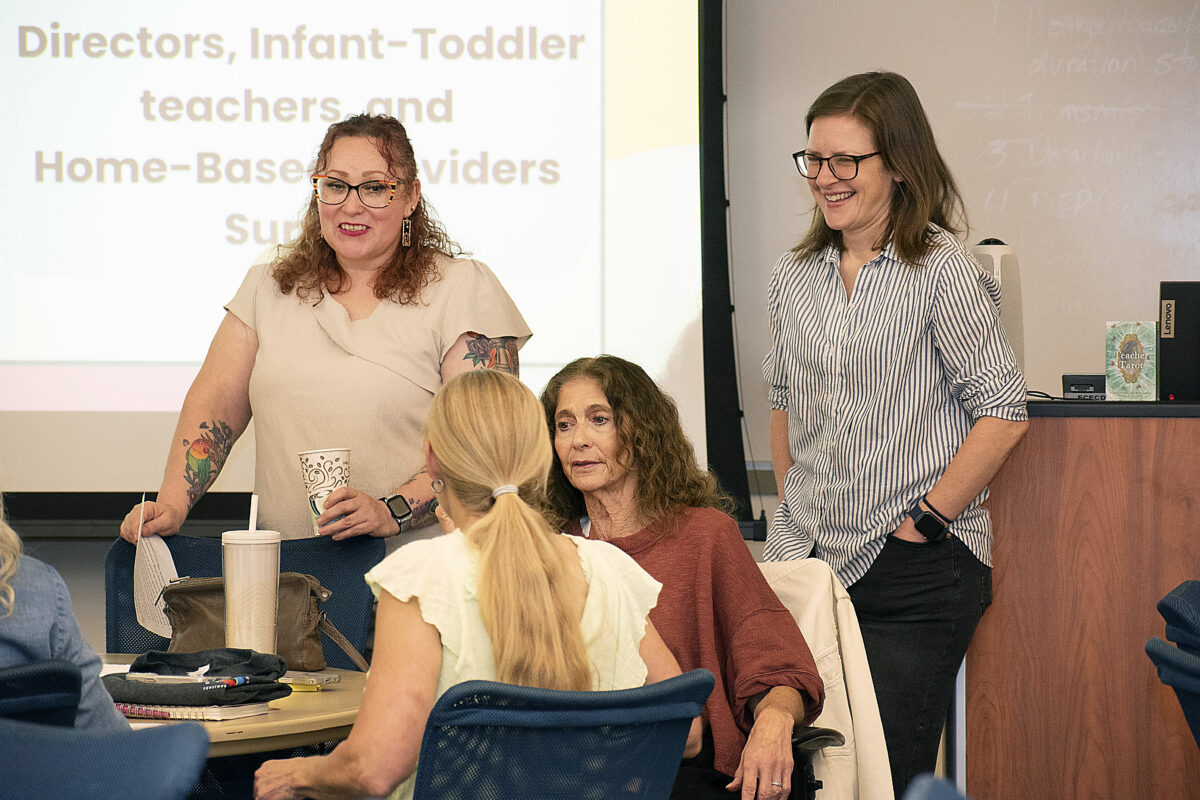
Krystel Sanchez has worn two hats: she’s APRENDE Program Director and Early Childhood Networks Regional Connector, working directly with educators who move between the two programs. Santa Fe Community College’s APRENDE Early Childhood Teacher Apprenticeship Program and the Early Childhood Networks Mentor Network are working together to support early childhood educators across the state, and Sanchez describes career growth less like a ladder and more like a staircase, one educators can climb, pause on, or step back down without losing their footing.

APRENDE supports the state’s incumbent early childhood workforce, pairing apprentices and pre-apprentices with seasoned “journey worker” mentors. According to Sanchez, the mentors are there to “explain the why behind behaviors” and support newer educators “through anything they get stuck with.” In APRENDE’s model, the journey workers are the mentors, and in the past, the program has run largely on its own. The Mentor Network has added another layer of support, giving mentors training “in understanding adult learning theory” and helping them “articulate what they have internalized as best practices.”

The partnership follows a progression: pre-apprentices earn a Child Development Certificate, then move into a registered apprenticeship toward an associate degree and lead teacher roles, and eventually into the Mentor Network itself, often while pursuing licensure or a bachelor’s degree. But the path isn’t always a straight line. There are, Sanchez says, “all kinds of on and off ramps,” and educators may take a detour into a different role entirely before returning to the stairs.

Sanchez sees that back-and-forth as a strength, not a detour from the plan. “Whether someone is drawn to an infant-toddler classroom, home-based care, or a director’s role, ‘there’s a place for them,’ she says. For her, it’s about more than collecting credentials. “It’s important to come back to the why we’re here — for children and families,” she says. “Being able to grow your own skills, grow your network, all has a net positive for children and families in New Mexico.”

Summer Fun for Little Learners: New Mexico Events Calendar
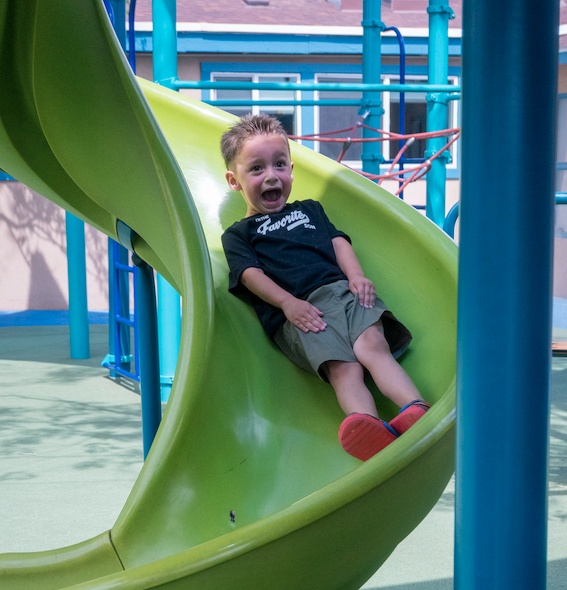
Summer’s in full swing! There’s plenty of summer fun happening for young children across the state. From marigold crafts to toddler storytimes to movies under the stars, we’ve rounded up events happening throughout July and August.

DateEventLocation
Through July 17Alebrijes and Nahuales sculpturesAlbuquerque
Through July 19Make Ofrenda Marigolds at Grandma’s CasitaExplora, Albuquerque
Through July 25ABQ Library Summer Reading ProgramAlbuquerque
Through July 30Garden Music Albuquerque
Through July 30Wildlife Science Kids ProgramAlbuquerque
Every MondayToddler TimeExplora, Albuquerque
Every WednesdayWee WednesdaysChildren’s Museum, Santa Fe
Five Saturdays from July through SeptemberMovies in the Park Las Cruces
Every Thursday, through August 6“S” is for ScienceE3 Children’s Museum, Farmington
Every Thursday, through August 6Downtown Makers’ MarketFarmington

Meet Mentor Network Lead Lynala: Be Open, Never Stop Learning

For Lynala Nakai, an early childhood instructional coach with Central Region Educational Cooperative (CREC) and Mentor Network Lead in Farmington, New Mexico, mentorship is about showing up for people.

After four years as a mentor, Lynala stepped into the Lead role this year, bringing her experience as an instructional coach to support educators in monthly group meetings. From the start, her goal was to create room for mentees to lead themselves. “We weren’t going to be the ones doing the majority of the talking,” she says. “We wanted them to present, build confidence, and get to know one another.”

That philosophy carries into her one-on-one work, too. When a mentee was going through a difficult time mid-semester, Lynala kept showing up, sending resources, following up, and kept checking in. “You’re almost done. You’re doing the best you can. Keep going,” she told her. The mentee finished the semester.

For Lynala, the best part of the Network is the relationships it builds and the reminder to keep learning.”Just be open minded,” she says. “We’re so caught up in our own teaching strategies, but we don’t always think about how other teachers are modifying their lessons and what we can learn from them.”

Join the Mentor Network.