Shared Joy, Shared Growth: How Early Intervention Strengthens Classrooms and Families

Headshot of Julie Lutz

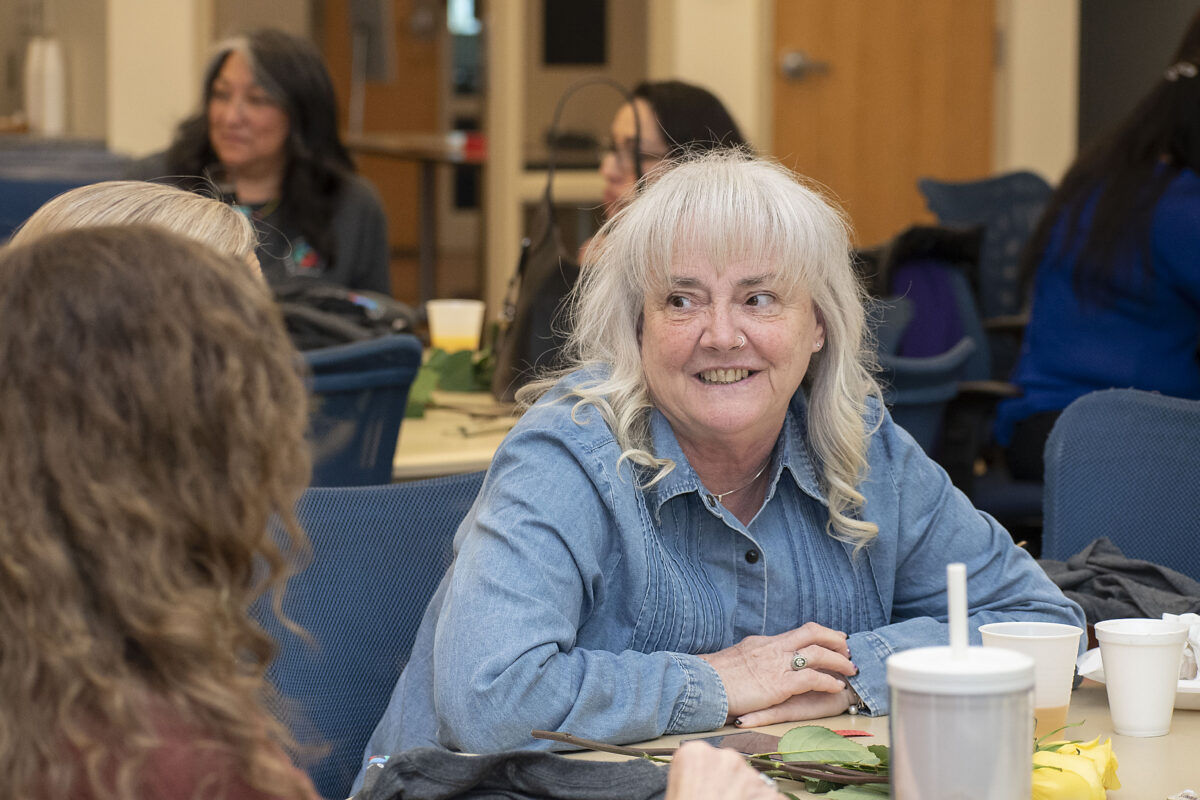
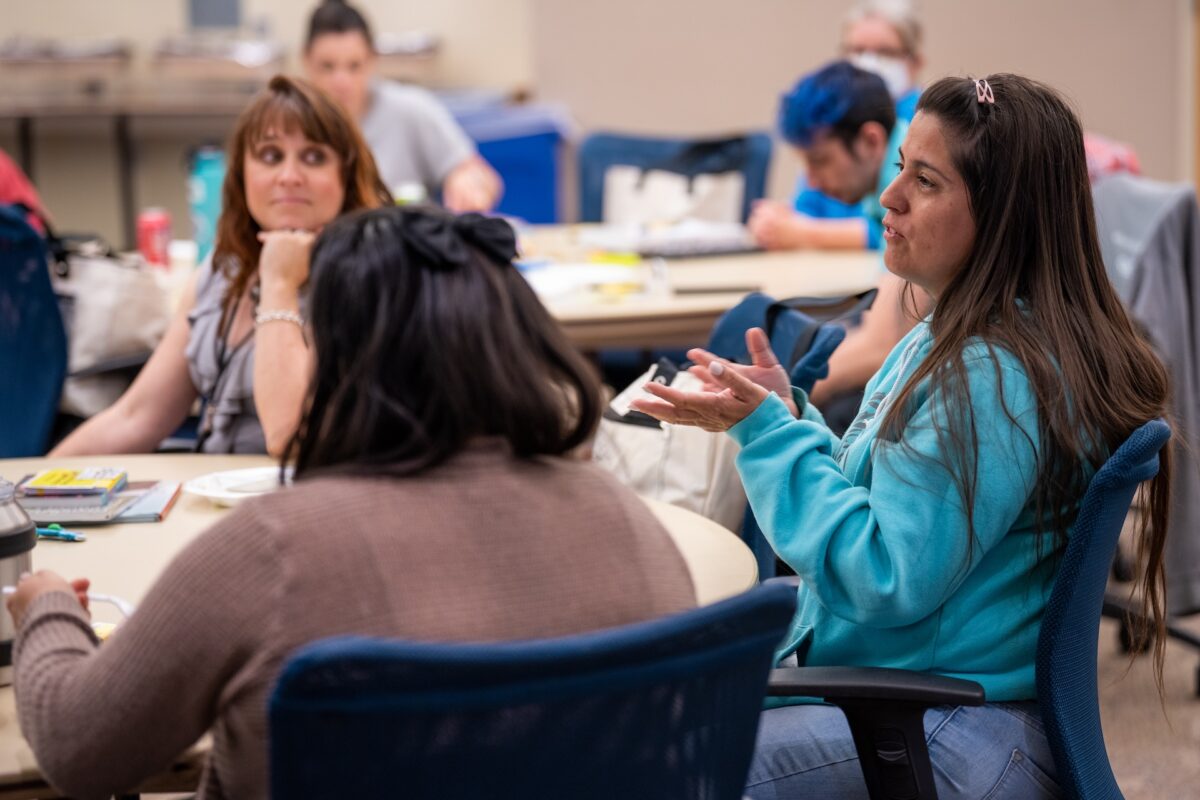
Early interventionists play a unique and essential role in supporting teachers, learners, and families, bridging expertise and care to help every child learn. In the Early Childhood Networks’ Infant-Toddler Teacher Network, Lead Teacher Julie Lutz models an approach built on teamwork, trust, and shared goals.

With more than two decades as a developmental specialist, Julie sees her work as a true educational partnership. “We’re not here to tell teachers how to do their jobs; we’re here to support them and work together,” she explains. In classrooms, that means collaborating with educators to adapt daily routines so that strategies benefit not just one child, but the entire group. For families, it’s about demystifying “early intervention” and showing how play, observation, and small adjustments can create big wins.

Julie’s approach starts with listening, inviting teachers and caregivers to share what’s going well, what’s challenging, and what strategies might help. From there, she models techniques, coaches caregivers, and celebrates progress alongside the team. “The most fun is when I get to witness the joy and confidence in both the child and the caregiver when they accomplish something new or hard-earned,” she says.

This fall and next spring, Julie will co-present professional development sessions to deepen understanding of early intervention and strengthen educator collaboration, supporting more moments of shared joy, confidence, and growth.

Details on the fall and spring professional development series will be shared soon. In the meantime, learn more about the Infant-Toddler Teacher Network and how it connects and supports early childhood educators.

Early Childhood Networks: Learning From Each Other, Making Our Practice Better

Early Childhood Networks programs are reshaping how early childhood educators in New Mexico connect, grow, and lead. Funded by the New Mexico Early Childhood Education and Care Department and administered by CNM Ingenuity, the programs provide mentorship, reflective practice, leadership development, and peer support to strengthen skills and build confidence.

The impact is clear. In the most recent annual evaluation, 92% of Network members reported overall satisfaction, 84% said they’ve incorporated new skills into their work, and 87% agreed the network provides valuable opportunities to connect with peers.

Participants describe the experience as empowering. “The mentor network always offers support and encouragement… enough to help keep improving and learning,” shared one mentor. An infant-toddler teacher said, “I learn a lot of new ways that I can work with my kids in the classroom.” One director summed it up simply: “I just love this group.”

By combining dynamic learning experiences with a strong professional community, Early Childhood Networks is strengthening New Mexico’s early childhood workforce — helping educators expand their expertise and improving outcomes for young learners. Learn more and get involved at ecnetworks.org.

Early Childhood Networks: Supporting New Mexico’s Early Childhood Professionals

Early Childhood Networks is transforming how early educators grow, lead, and connect. Funded by the New Mexico Early Childhood Education and Care Department and administered by CNM Ingenuity, this statewide initiative provides mentorship, reflective practice, leadership development, and peer support to early childhood professionals.

Through dynamic learning experiences and strong professional networks, Early Childhood Networks helps educators deepen their skills, expand their impact, and stay connected to a community that shares their commitment to children and families. The result? A stronger, more supported early childhood workforce ready to meet the needs of New Mexico’s youngest learners. Learn more now!

Lead the Way: Grow as a Leader with the Early Childhood Networks

New Mexico’s Early Childhood Networks support early childhood educators through meaningful, peer-driven professional development. Educators gain access to training, coaching, and community, all guided by experienced leaders in key Network roles.

Each Network is led by a group of dedicated educators in Lead roles: Lead Mentor, Lead Infant-Toddler Teacher, Lead Director, Lead Home-Based Provider, and Spoke Manager. These part-time leadership roles (5–15 hours/week) involve a variety of duties, such as facilitating monthly meetings, recruiting peers, providing professional guidance, and helping build strong Networks across the state. All Leads receive a generous stipend, ongoing training, and opportunities to grow their leadership skills. Bilingual educators are especially encouraged to apply.

Each leadership role offers a chance to make an impact while advancing your professional journey. Leadership meetings begin in July.

Apply today and lead the way!

Little Illusions, Big Impact: Rosalía Morales and the Home-Based Provider Network 

Rosalía Morales operates her home-based daycare, Little Illusions Daycare, in Albuquerque’s South Valley. Like many educators across the state, Morales relies on the Home-Based Provider Network for support and professional growth. The Network provides home-based educators with a range of resources, including professional development hours, monthly expert-led discussions on key topics, stipends for meeting attendance, and bilingual networking events.

Rosalía’s journey as an educator is marked by dedication and continuous learning. Through the Network, she gains valuable insights into early childhood education best practices, enhancing her skills and methods. “The Network doesn’t just help us survive; it makes us flourish,” Rosalía shares. It serves as both a professional resource and a peer support system, helping home-based providers navigate the unique challenges of home-based care to effectively maximize limited time and resources.

Rosalía, with her 16 years of experience in early childhood education, is passionate about mentoring new staff and colleagues. She emphasizes the importance of continuous education and training, ensuring that home-based care provides the same high-quality, structured learning environment as larger centers with more staff and resources. “We are teachers, not babysitters,” Rosalia explains. “We’re here to shape children’s minds, not just oversee playtime. Every day is a chance for growth and learning,” she continues, reinforcing that the quality of teaching is most important, regardless of the setting.

Rosalía shares her expertise, tips, and practical strategies with her network and staff, focusing on how to maximize limited resources and optimize time management. Her guidance is crucial for home-based providers who juggle multiple roles simultaneously. She takes pride in her staff, many of whom she has personally mentored. “Seeing them grow, start their daycares, and come back to share their knowledge makes me incredibly proud,” she says. For Rosalía, the Network isn’t just a resource; it’s a community cornerstone that enhances the quality and reach of home-based childcare in New Mexico. “Together, we uplift each other, ensuring children build strong foundations for their futures,” she adds.

Learn how the Early Childhood Network can help you grow at https://www.ecnetworks.org/early-childhood-home-based-provider-network/.

Network, Nurture, Grow: A Haven for Home-Based Providers 

In New Mexico, almost 25 percent of childcare centers are home-based. The Early Childhood Networks Home-Based Provider program serves as a haven for these professionals, providing a supportive community and opportunities for connection through monthly professional development sessions and networking events. Merline Gallegos, a Lead in the Home-Based Provider Network, owns and operates Kelly’s Learning Academy in Las Cruces. Holding certificates in Child Development and Early Childhood Program Administration, she praises the program for its positive impact on her teaching methodology, mentorship practice, and professional growth.

Merline values the program’s focus on collaboration and community, which are central to her beliefs. “I instantly clicked with the Network’s commitment to create a collaborative environment. It just meshes so well with my natural way of mentoring, which is all about empathy and support.” she shared. The program’s monthly meetings and professional development opportunities provide a platform for home-based providers to exchange best practices and share strategies tailored to their unique challenges.

Merline stresses the importance of specific skills for peer mentorship. “Organization and a child-centered approach are key. I integrate these by focusing on structured yet flexible teaching methods that cater to individual child needs,” she notes. This approach enhances her ability to effectively support other providers, tailoring her guidance to meet diverse perspectives and career stages.

Merline finds deep satisfaction in witnessing her colleagues’ professional development. “Seeing the remarkable growth in confidence and capabilities among my peers inspires me. Their success demonstrates the value of our work and the positive impact the Network has on the home-based community, Merline stated. This sense of achievement reaffirms the significance of her efforts and energizes her continued dedication to her role as a Lead in the Home-Based Provider Network

Merline also addresses the unique challenges of working from home, particularly for those in educational and caregiving roles. “Home-based providers face a unique set of challenges, primarily around managing the roles of educator, administrator, and caregiver within their home,” she explains. Because home-based providers manage multiple roles, Merline offers effective management strategies to ensure quality education despite challenges. Her support enhances skills in organizational management and child-centered care and uplifts other providers.Home-based providers across New Mexico can apply to the Home-Based Provider Network. Applications open April 1. Discover how the Early Childhood Network can help you grow at https://www.ecnetworks.org/early-childhood-home-based-provider-network/.

Attending the 2025 NMAEYC Conference? Don’t Miss Our Spanish Language Session: Professional Growth Opportunities with Early Childhood Networks and Pay Incentive Programs

The NMAEYC Conference is New Mexico’s largest annual conference on early childhood education. If you’re attending, join us for our session on Saturday, March 29, 2025, from 2:15 to 3:15 PM, in the University of New Mexico Student Union Building (UNM SUB), Room Acoma B in Albuquerque. We’re presenting an informative session with Yadira Lorenzoni, Program Coordinator for Early Childhood Networks, and Rin Bernhardt, Coach, ECECD Scholarship and Pay Incentives Programs.

Professional Growth Opportunities with Early Childhood Networks and Pay Incentive Programs (Presentation in Spanish): Discover how Early Childhood Networks support educators through professional development programs and how Scholarship and Pay Incentive Programs help educators advance their education and careers. Ideal for preschool teachers, infant-toddler teachers, directors, and school leaders, this session highlights comprehensive resources to elevate your career in early childhood education.

Also, please say hello to our Early Childhood Networks and ECECD Scholarship and Pay Incentives program teams in the conference hall. We will have two tables to answer questions and offer program guidance.

For conference details, visit the 2025 NMAEYC Conference website.

What’s New in Mentor Certification

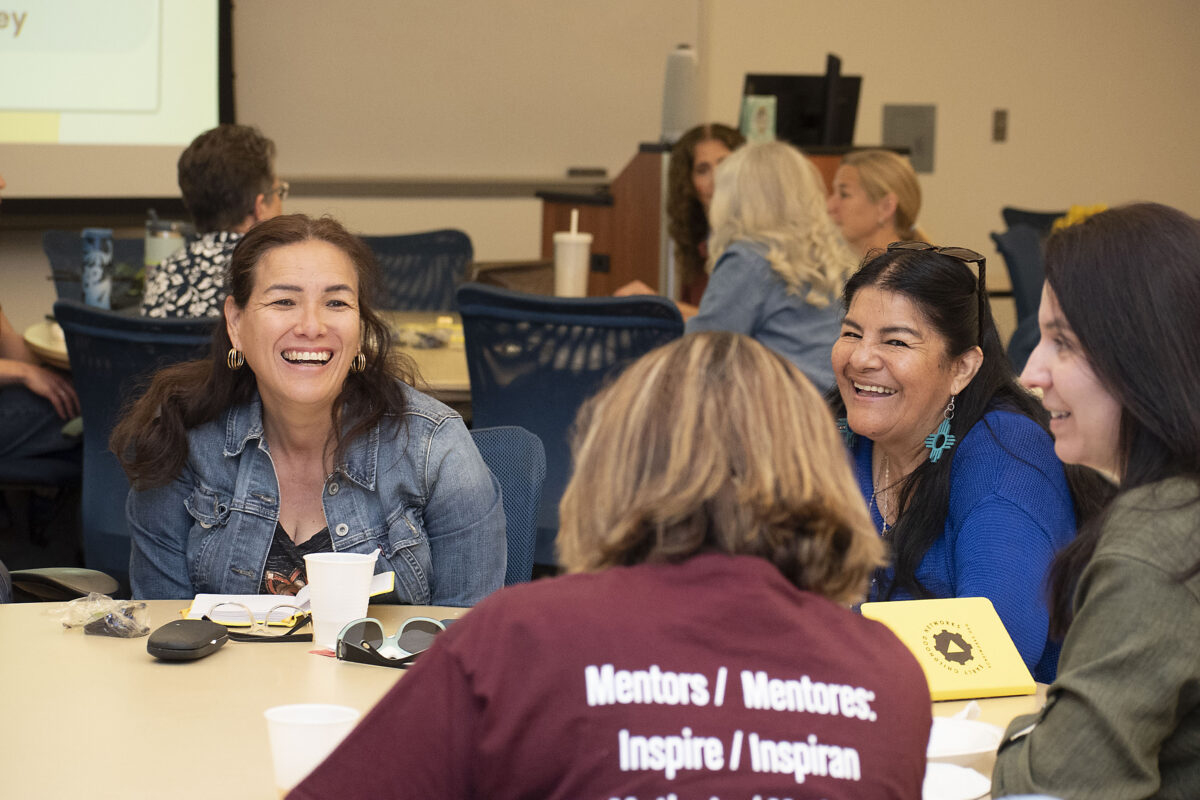
The Early Childhood Mentor Network is a community of professionals dedicated to mentoring early childhood educators and students throughout New Mexico. Members benefit from professional development and support from a collective of expert peers and leaders.

Fatima Hamad, a Lead Mentor in the Early Childhood Mentor Networks and an Education Consultant with the UNM Early Childhood Services Center, highlighted exciting enhancements to the certification process for mentors. The certification updates have sharpened the program’s methodology, focusing on clear role definitions and the distinction between teaching, mentoring, and coaching. Fatima explained the reason for the content and curriculum changes: “I think our role as mentors has evolved to address specific needs. We’ve set clear expectations for mentors and emphasize the distinct roles of teaching, mentoring, and coaching. This clarity helps mentors approach their roles with an open mind. It’s transformative. Not only does it improve how we support students, but it impacts the mentors themselves.”

Another key change has been the structured goal-setting for mentees. Fatima explained the importance of setting “smart goals” with actionable steps, which allows for measurable progress and targeted guidance. This methodological shift supports mentees in a more structured manner and enhances the mentor’s ability to track and encourage growth effectively.

Reflecting on the impact of these changes, Fatima observes a stark difference in understanding and effectiveness between mentors who recently completed the enhanced course and those from years ago. “This shift has significantly enriched mentorship expectations and outcomes,” she notes, underscoring the success of the revised certification process and its role in enhancing mentor and mentee experiences across the Network.

By joining the Mentor Network, you can access a foundational framework to elevate your leadership and professional skills. This framework ensures that mentors are equipped with the necessary strategies to create a culture of continuous learning and collaboration.

Share your knowledge and expertise and help shape the next generation of early childhood educators in New Mexico. Applications open April 1. Learn more about the Mentor Network today.

Opening Doors: The CDA Credential and Fatima’s Dedication to Early Childhood Education

The Child Development Associate (CDA) credential is an important milestone for early childhood educators. It provides both a pathway to professional growth and a way to improve the quality of care provided to children. For Fatima Hamad, a Lead Mentor in the Early Childhood Mentor Networks and an Education Consultant with the UNM Early Childhood Services Center, the CDA credential represents a key to unlocking opportunities for educators and their communities.

Fatima, who has been involved with the Early Childhood Mentor Networks since its inception in 2015, explains that the CDA credential “opens the door for teachers to pursue their education.” Many educators enter the field with limited access to higher education, and the CDA credential offers a practical, accessible path to enhance their knowledge and skills. Through its comprehensive focus on early childhood development, the credential aligns with the same core competencies of college and university degrees, offering a foundational understanding of child growth, behavior, and effective teaching strategies.

In Fatima’s view, the Credential does more than elevate professional standards — it changes perceptions. “When teachers earn the CDA, they’re no longer seen as just babysitters,” she shares. “It builds respect from parents and peers and enhances educators’ confidence.” Fatima also notes the Credential’s role in increasing pay and career advancement, empowering teachers to provide higher-quality care and contribute meaningfully to their programs’ success.

As a mentor, Fatima celebrates the ripple effect of the CDA credential. In a unique role created for her within the Early Childhood Mentor Networks, she supports new CDA applicants, a process teachers usually navigate alone. By guiding a cohort of educators through observations, portfolios, and other requirements, she helps them succeed, strengthening New Mexico’s children, families, and communities.

Ready to grow your career in early childhood education? The Early Childhood Mentor Networks and CDA Assessments Voucher program provides the support, skills, and resources to help you succeed. Learn how these resources can open doors to new possibilities and help advance your career.

Mentorship in Action: Ashley’s Story and the Early Childhood Mentor Network

Empowering Growth Through Leadership

The Early Childhood Mentor Network provides high-quality learning experiences that help early childhood professionals reflect on their work, build leadership skills, and support one another through mentorship. Lead Mentors play a key role by providing professional development and structured support to educators.

Ashley’s Journey as a Lead Mentor

Ashley’s story shows the impact of strong mentorship. “The Early Childhood Mentor Network helped me build skills in presenting and working with colleagues who have different experiences and perspectives,” she shared. Her background in music and special education, along with her focus on high expectations and personalized support, closely matches the values of the Mentor Network.

Building Connections Through Reflective Practice

Ashley highlights the importance of being organized, intentional, and empathetic in mentorship. “Being intentional helps me better support my mentees. Organization and structure create space for meaningful conversations and real connections,” she explained. She models reflective practice through monthly meetings and shares tools that support growth.

Witnessing Growth and Purpose

For Ashley, the most rewarding part of being a mentor is watching her mentees gain confidence and grow as professionals. “It’s exciting to see that moment when educators realize the purpose of their work goes beyond childcare,” she said.

Join the Early Childhood Networks Team as a Lead Mentor

The Lead Mentor role includes comprehensive training, ongoing support, and opportunities to collaborate with experienced peers across New Mexico. Lead Mentors facilitate eight monthly, cohort-based community of practice meetings to support professional growth. Learn more at ecnetworks.org