Growing Stronger Together

Across New Mexico, Early Childhood Networks help educators connect, grow, and lead with confidence. Through professional development, mentorship, and peer support, the Networks provide the tools and relationships educators need to strengthen their practice and build lasting connections.

An upcoming professional development session, Infant & Toddler Development, is one example of how the Networks support educators. Led by Early Interventionist and Network Lead Julie Lutz, the session covers brain development, typical development for infants and toddlers, how to recognize developmental delays, and access resources for support. Julie will also share how she works alongside educators and families, listening, modeling strategies, and offering real-time support to improve outcomes for children and help teachers in the classroom.

Early Childhood Networks support members in many ways. Members can participate in the Mentor Network, Mentee Program, and Faculty Partnerships programs. They can also connect with peers through Infant-Toddler Teacher, Director, and Home-Based Provider Networks. Members also have opportunities to take on leadership roles and grow as leaders in their field.

These opportunities are just one of the many benefits of being part of Early Childhood Networks. Members gain ongoing learning, leadership development, and a strong community of peers. As one educator shared, “This opportunity has expanded my knowledge and helped me build meaningful relationships with other educators.”

By combining professional development with real connection, Early Childhood Networks strengthen New Mexico’s early childhood workforce and help educators make an even greater impact.

Learn more now at ecnetworks.org.

Leading with Listening

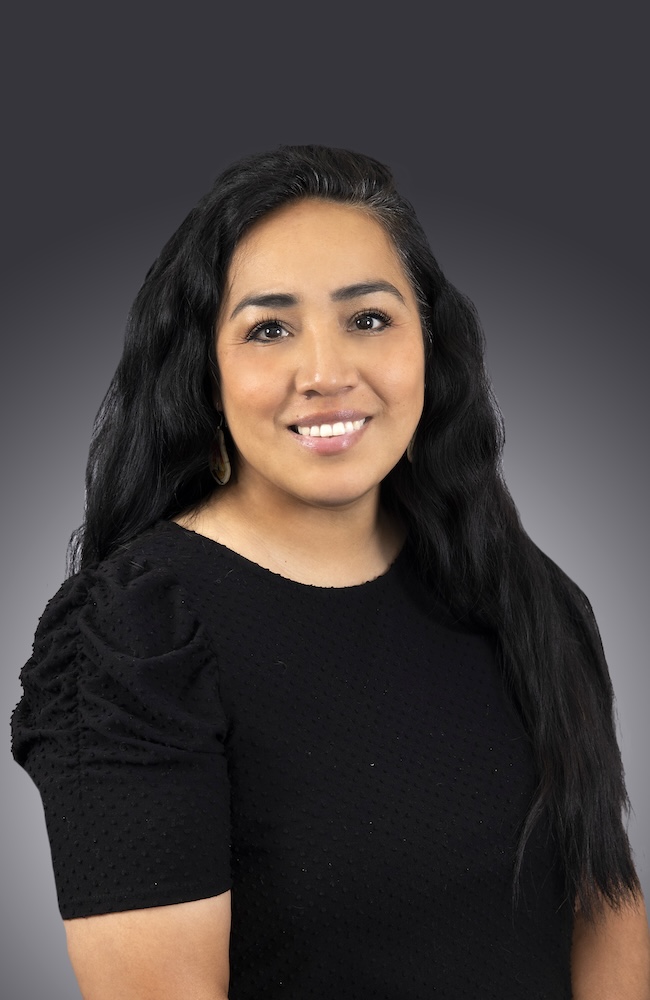
Headshot of Tenesha Betoni

For Tenesha Betoni, early childhood education has always been personal. Now Director of Early Childhood Education at San Juan College, she found her passion early, caring for and teaching her younger sister, and later homeschooling her own children. Today, she is actively working toward her Ph.D. in Curriculum and Instruction with a focus on early childhood education at New Mexico State University.

As a Spoke Manager, Tenesha stepped into the role to make sure mentorship stayed strong in her region. Through the Early Childhood Networks, she connects students, mentors, and faculty. “It’s about making sure educators have someone to turn to,” she says. “That connection makes all the difference.”

Tenesha leads by listening. She makes time for teachers to talk, ask questions, and work through challenges. She knows the work can be emotional, and that educators often carry a lot each day. Creating a safe, supportive space helps her guide teachers to better support children.

Her work reflects the communities she serves. “In Farmington, you can’t enter or leave without driving through tribal lands,” she says. “If you come here, you’re going to go through a reservation.” For Tenesha, that means classrooms should reflect the children and families in them — through culture, language, traditions, and lived experience. “Every child should feel seen in their classroom,” she says. It’s about listening to families, valuing their stories, and honoring all cultures and perspectives so every child feels seen and valued.

Her advice to new educators: think about what age group you want to teach and spend time in that classroom. “You have to feel it to know where you belong.”

Join the Early Childhood Networks